Life doesn't automatically get better beyond the border
Yet we all carry them in our heads, these images.
You only have to name a country, and a drawer opens somewhere in your mind.
The Italians? Passionate, loud, warm-hearted, always a bit chaotic.
The Spanish? Fun-loving, relaxed, and somehow fundamentally always running a bit late compared to the rest of Europe.
The French? People who know how to enjoy life. A bit proud, perhaps a bit arrogant, but of course with good wine and excellent food.
The English? Polite, reserved, quirky, with that dry humor where you sometimes don't realize five minutes later that you've just been teased.
The Greeks? Hospitable, passionate, family-oriented, and perhaps not quite as attached to schedules as the Germans.
And us Germans?
The rest of Europe certainly knows exactly what to think about us too.
We're punctual. Orderly. Hardworking. Reliable. We love rules, make a plan for everything, and take it so seriously that we'd probably schedule our spontaneity in the calendar beforehand.
We allegedly don't have much of a sense of humor. But we can organize things.
So far, so good.
But it gets particularly interesting when we look northward.
Because we Germans have pretty precise ideas about Scandinavia too.
The people there are more relaxed. Friendlier. More laid-back. More connected to nature. Less complicated. Society is more tolerant, more modern, and somehow more human. You work to live, rather than live to work. And of course, afterward you sit together by candlelight and it's all very cozy.
But it's worth looking a bit more closely.
Between Denmark, Sweden, and Norway there's almost a kind of sibling banter: the Swedes are considered the correct and somewhat stiff siblings, the Danes are the more relaxed, louder and pleasure-seeking ones, and the Norwegians are the nature-loving, wealthy cousins from the mountains. And then there's the affectionately maintained image of Finns as people who sit silently with you in the sauna for three hours and afterward think you've had an excellent conversation.
But we Germans like to lump them all together:
Scandinavia is one thing...
And Denmark in particular gets a remarkable halo.
Coziness. Trust. Calm. Community. Less stress. Less elbowing. More time for each other. The children are happier, the adults more relaxed, and somehow the whole country seems to have figured out what life is really about.
And now maybe it's time to take a deep breath.
Because can that really be true?
Can it really be that millions of people within one national border operate in a certain way, and just a few kilometers further everything suddenly changes?
What happens at the border anyway?
Do all the German clocks stop ticking when you cross the border at Flensburg?
Does the stressed person automatically become relaxed?
Does ambition disappear with the border sign?
Do people stop being jealous, impatient, unfair, or grumpy?
Of course not.
I've been living in Denmark for a while now. And perhaps that's one of the biggest differences between a country where you take a vacation and a country where you actually live:
At some point, the backdrop disappears.
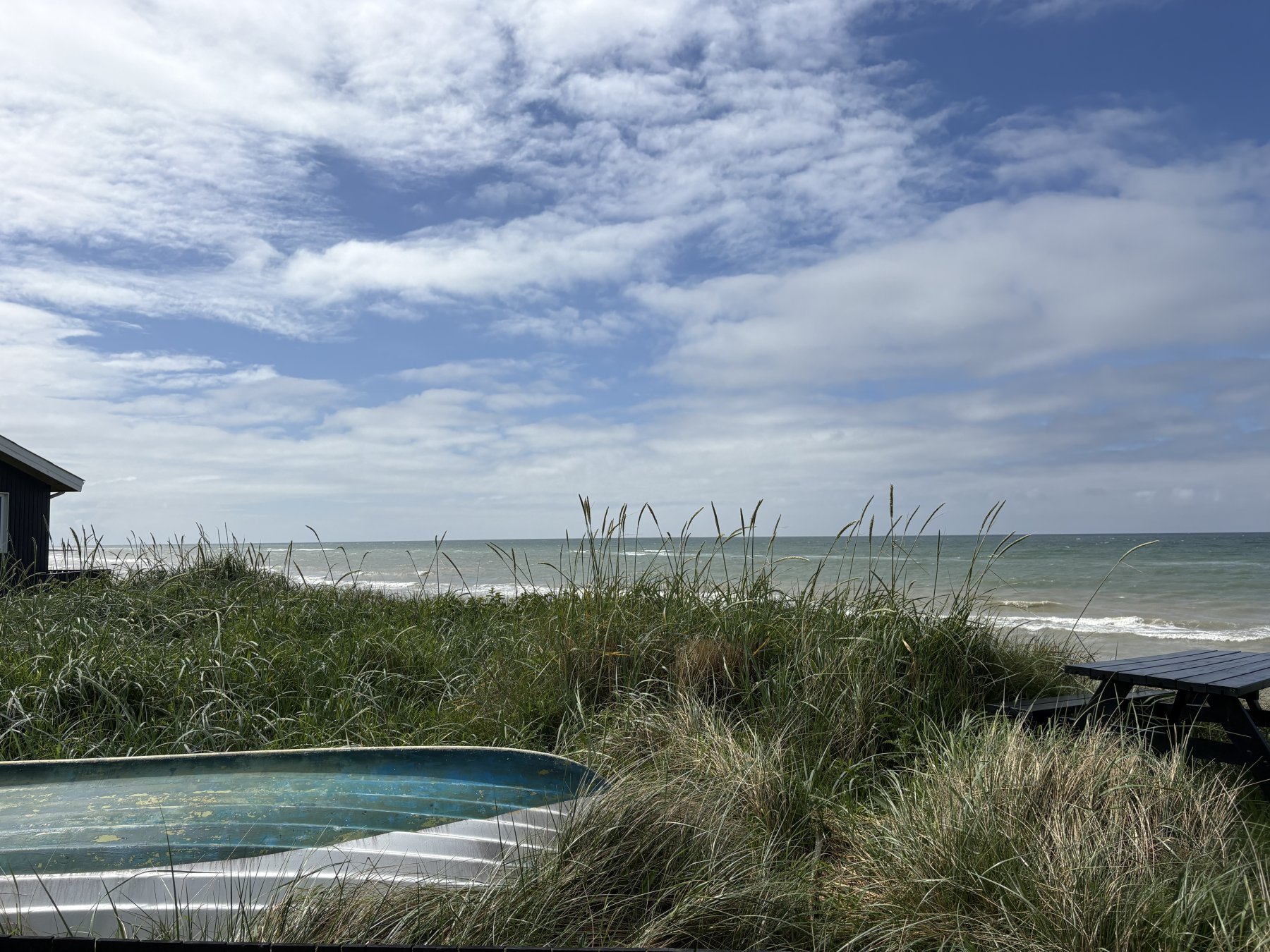
Then Denmark is no longer the holiday cottage behind the dunes.
Then it's Monday morning.
Then someone has to go to work, even though they don't feel like it.
Then the child gets sick and disrupts the entire week's plans.
Then the money might not quite stretch to the vacation you were looking forward to.
Then there's trouble with the boss, fights in the family, a broken heater, a bill you didn't expect, and an appointment you have to wait far too long for.
Danes are afraid too.
Danes worry too.
Danes want to get ahead in their careers.
There's competition and jealousy here too. People can be unfriendly, unfair, or selfish. There's griping, grumbling, and arguing here too. There are tolerant people here and people who aren't at all.
And of course there are people here who are warm-hearted, helpful, laid-back, and generous.
But not because they're Danish.
But first and foremost, because they're human.
Of course there are cultural differences. I don't want to, can't, and won't deny that. Societies develop different habits. The way hierarchies are handled can be different. Communication works differently. Trust in institutions can be stronger or weaker. Family life, work, humor, politeness, and the way rules are handled are actually different.
All of that is fascinating.
But culture isn't a character test.
A Dane doesn't get a coziness gene implanted at birth, any more than a German is born with an internal clock and a filing system.
Maybe that's exactly where a common mistake lies, especially when you fall in love with another country.
You confuse the feeling of your own vacation with the everyday life of the people who live there.
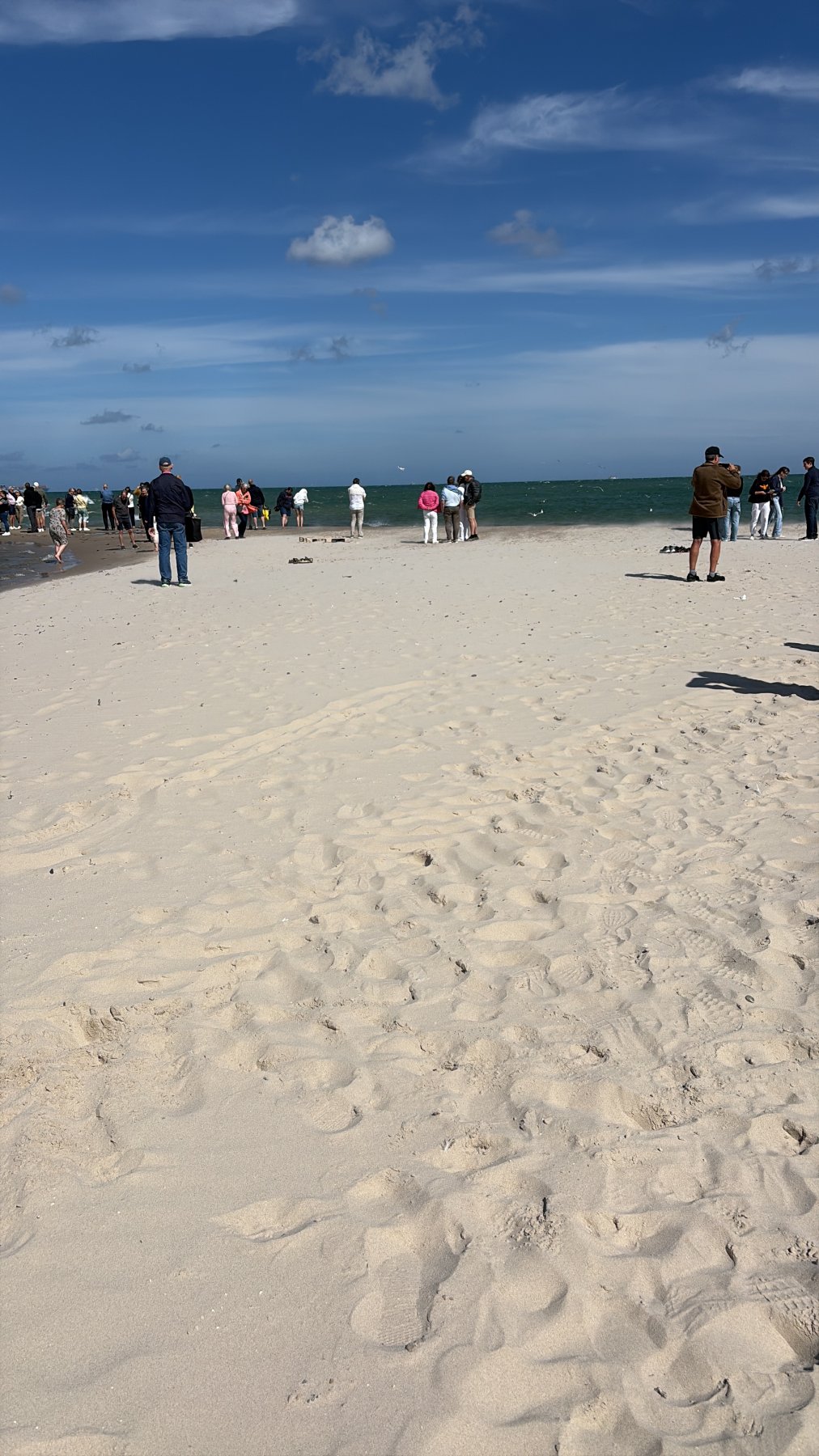
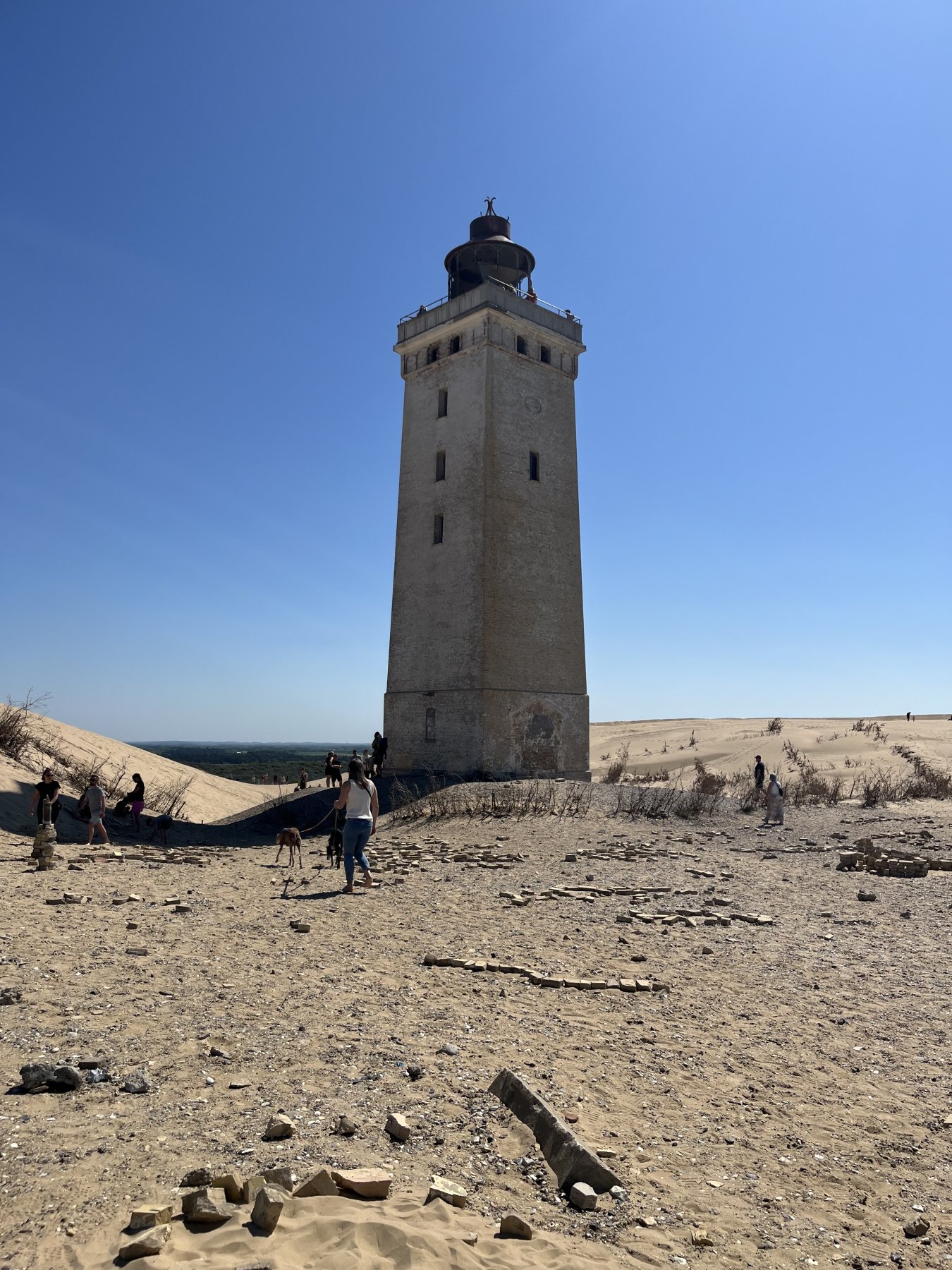
Of course Denmark feels different when I'm sitting by the sea in summer.
I'm on vacation.
The person riding past me maybe isn't.
I see the pretty house with the Danish flag in the garden. I don't see the worries of the family living in it.
I see people in the café and think: How relaxed everyone is here.
But maybe someone sitting there just found out their mother is seriously ill. Someone who lost their job. Someone whose relationship is falling apart. Or simply someone wondering how they'll pay the next bills.
You can't see that in someone.
Especially not on vacation.
And that's why maybe it's time for the occasional Denmark tourist to take off their rose-tinted glasses.
Not because Denmark is bad.
Quite the opposite.
I enjoy living here.
But I don't have to declare Denmark a paradise to love it.
Maybe a much more interesting relationship with a country even begins only when you stop idealizing it.
Denmark is not a holiday brochure.
Germany is not a land full of humorless rule-followers.
France doesn't consist exclusively of arrogant gourmands, Italy not of temperamental artists of life, and Finland not of silent sauna-goers.
Behind each of these borders live people.
People with feelings and preferences, with strengths and weaknesses, with fears and hopes, with bills, illnesses, dreams, bad days, and wonderful moments.
Maybe we differ culturally sometimes more than we think.
But as humans probably far less.
And maybe that's exactly the best insight you can take away from emigrating:
Life doesn't automatically get better beyond the border.
There, people are simply living their normal lives.
Just like us.