I've gathered the most exciting tips for Denmark. 50 hotspots in total, organized by region. Let's start with Northern Jutland...
I. Northern Jutland (Vendsyssel, Thy & Mors)
1. Grenen (Skagen): Where the North Sea and Kattegat visibly meet.
2. Skagens Museum: The cradle of Danish Impressionism.
3. Den Tilsandede Kirke: The solitary tower of St. Laurentius Church (without the "swallowed village"!).
4. Råbjerg Mile: Europe's largest wandering dune.
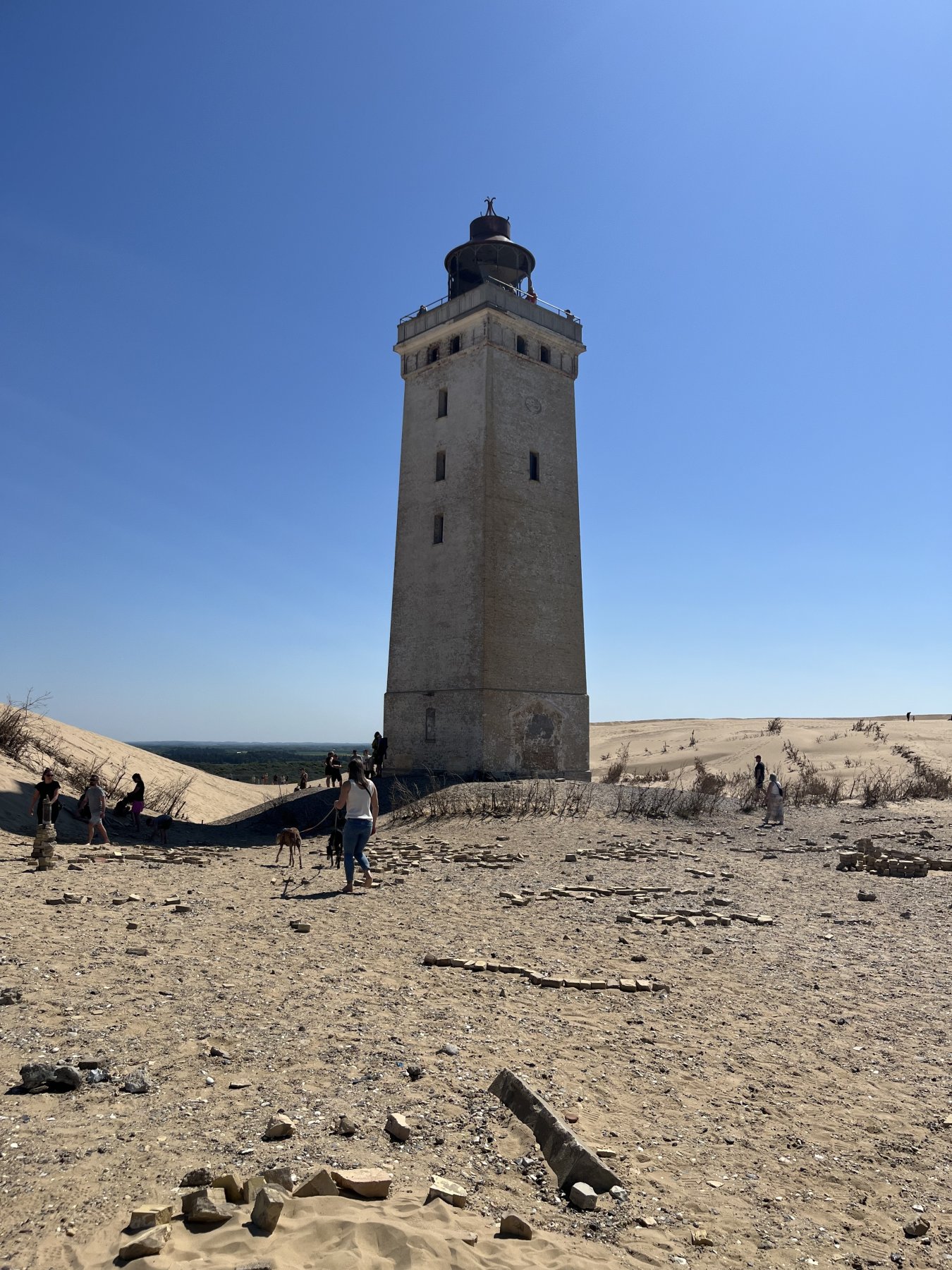
5. Rubjerg Knude Fyr: The lighthouse that was moved on rails in 2019.
6. Børglum Kloster: Once a bishop's seat, today a place full of legends and art.
7. Nationalpark Thy: Denmark's "last wilderness" - rugged dunes and vast heathland.
8. Bulbjerg: Denmark's only bird cliff made of limestone.
9. Lindholm Høje (Aalborg): A magnificent Viking burial field with ship settings.
10. Musikkens Hus (Aalborg): An acoustic and architectural masterpiece on the Limfjord.
11. Island of Fur: Famous for the "Moler" cliffs and fossils 55 million years old.
12. Bangsbo Fort (Frederikshavn): Impressive bunker complex with fantastic views over the Kattegat.
I. Northern Jutland (Vendsyssel, Thy & Mors)
1. Grenen (Skagen): At Denmark's northernmost tip, the Skagerrak and Kattegat meet in a visible surge of waves. Visitors can stand here with one foot in the North Sea and the other in the Kattegat. The special intensity of light has attracted artists and nature lovers for generations.
2. Skagens Museum: This museum is dedicated to the works of the famous Skagen painters, who captured the light and the harsh life of fishermen. The collection houses masterpieces by artists such as P.S. Krøyer and Anna Ancher. It's a cultural landmark that significantly shaped the region's identity.
3. Den Tilsandede Kirke: Of the St. Laurentius Church built in the 14th century, only the whitewashed tower is now visible above the sand dunes. The wandering dunes made the cemetery and access to the church impassable by the end of the 18th century. Today, the tower serves as a striking monument to the unstoppable force of nature.
4. Råbjerg Mile: This enormous wandering dune moves up to 15 meters northeast each year, covering everything in its path. With an area of about two square kilometers, it's the largest of its kind in Northern Europe. A walk through this sand desert conveys an impressive sense of vastness and natural dynamism.
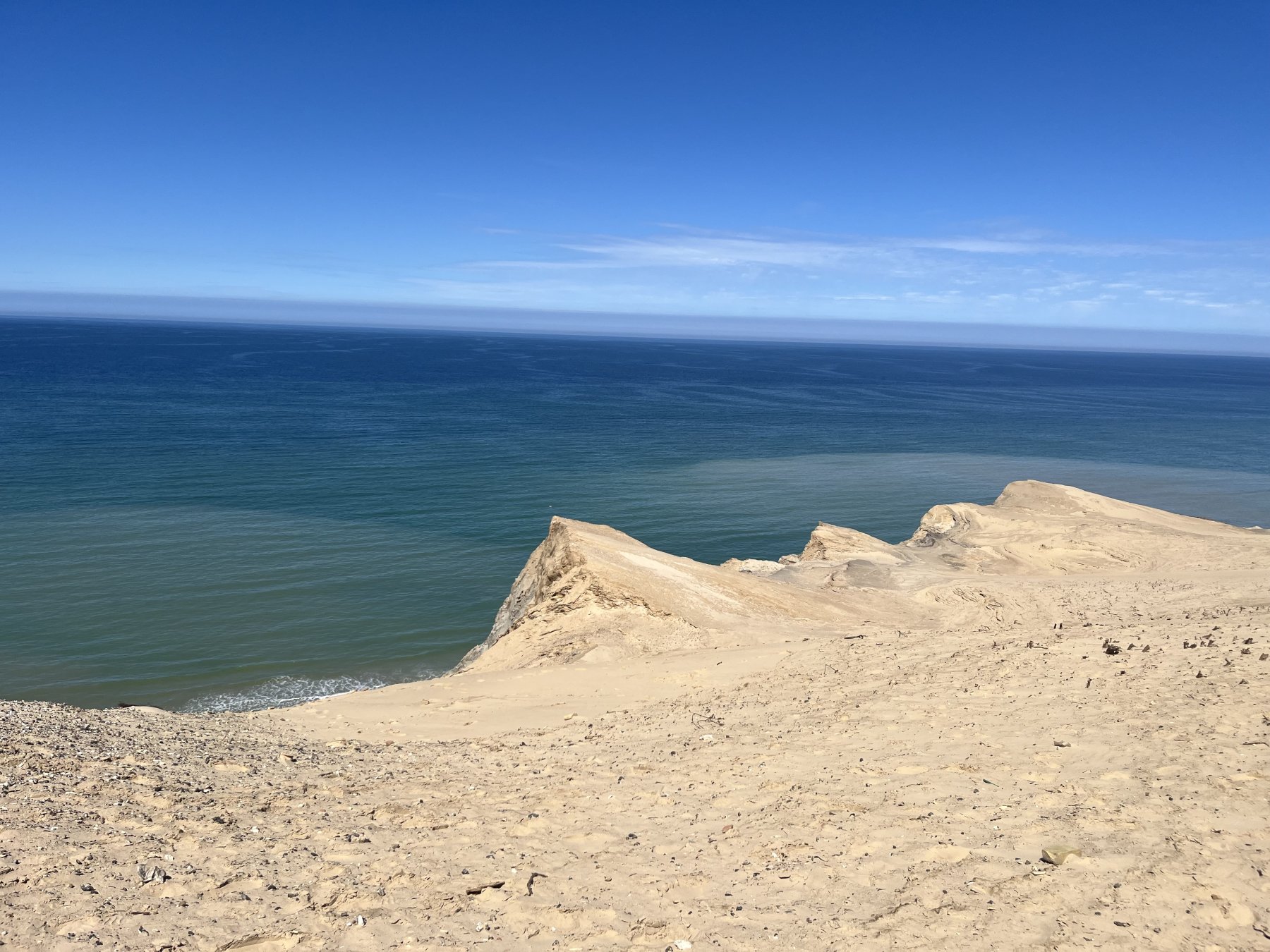
5. Rubjerg Knude Fyr: The famous lighthouse stands on a high cliff and was long threatened by collapse into the sea. In 2019, the entire structure was moved 70 meters inland on rails in a spectacular operation. From the top, there's a breathtaking view over the rough North Sea and the surrounding sand masses.
6. Børglum Kloster: The former Premonstratensian monastery was a powerful bishop's seat and center of power in Medieval Northern Jutland. Today, visitors can view the magnificent monastery church and changing exhibitions on regional history. Particularly worth seeing is the faithful replica of the famous Bayeux Tapestry.
7. Nationalpark Thy: As Denmark's first national park, this area protects a unique coastal landscape of dunes, heathland, and crystal-clear lakes. The region is known for its unspoiled nature and provides habitat for deer and rare bird species. Hikers and cyclists find rare tranquility here, far from mass tourism.
8. Bulbjerg: Denmark's only bird cliff rises 47 meters from the sea and consists of solid limestone. It serves as an important nesting place for razorbills and offers a wide panoramic view over the Jammerbugt. In the remains of old bunker installations at the foot of the cliff, there's now a small exhibition.
9. Lindholm Høje (Aalborg): This impressive burial field contains over 700 graves from the Iron and Viking periods, many in the form of stone ships. The adjacent museum explains the lifestyle of people who settled here on the Limfjord. The atmosphere on the hill is particularly mystical and historically significant at sunset.
10. Musikkens Hus (Aalborg): Designed by architecture firm Coop Himmelb(l)au, this concert hall is a visual and acoustic masterpiece right on the harbor. The main hall offers outstanding acoustics that attract national and international orchestras. For musicians, the architecture is a symbol of Northern Jutland's cultural modernization.
11. Island of Fur: The island in the Limfjord is world-famous for its Moler cliffs, where you can find fossils 55 million years old. Walking trails lead along steep coasts and through gentle, green rolling hills. Local breweries and small galleries make a visit worthwhile both culinarily and artistically.
12. Bangsbo Fort (Frederikshavn): The historic World War II bunker complex offers a strategic view over the Kattegat to Læsø. Visitors can walk through underground passages and inspect massive gun emplacements. The area is today a peaceful park that combines history and nature.