When you emigrate, you go through many different phases.
First, there's often euphoria. You've made it. You've finally arrived at the place you've perhaps dreamed about for so long. Everything feels new, exciting, and full of possibilities.
But then, at some point, you realize that physically arriving somewhere is completely different from arriving there in your heart.
You've left a life behind. Friends. Habits. Familiarity. The language in which you could express yourself effortlessly. Suddenly, the ease is gone. Even simple conversations take energy. You search for words, observe more than you speak, and sometimes miss the ease of a quick visit with friends or a spontaneous chat in between.
There are moments when you wonder if you've really arrived. Or if you ever will.
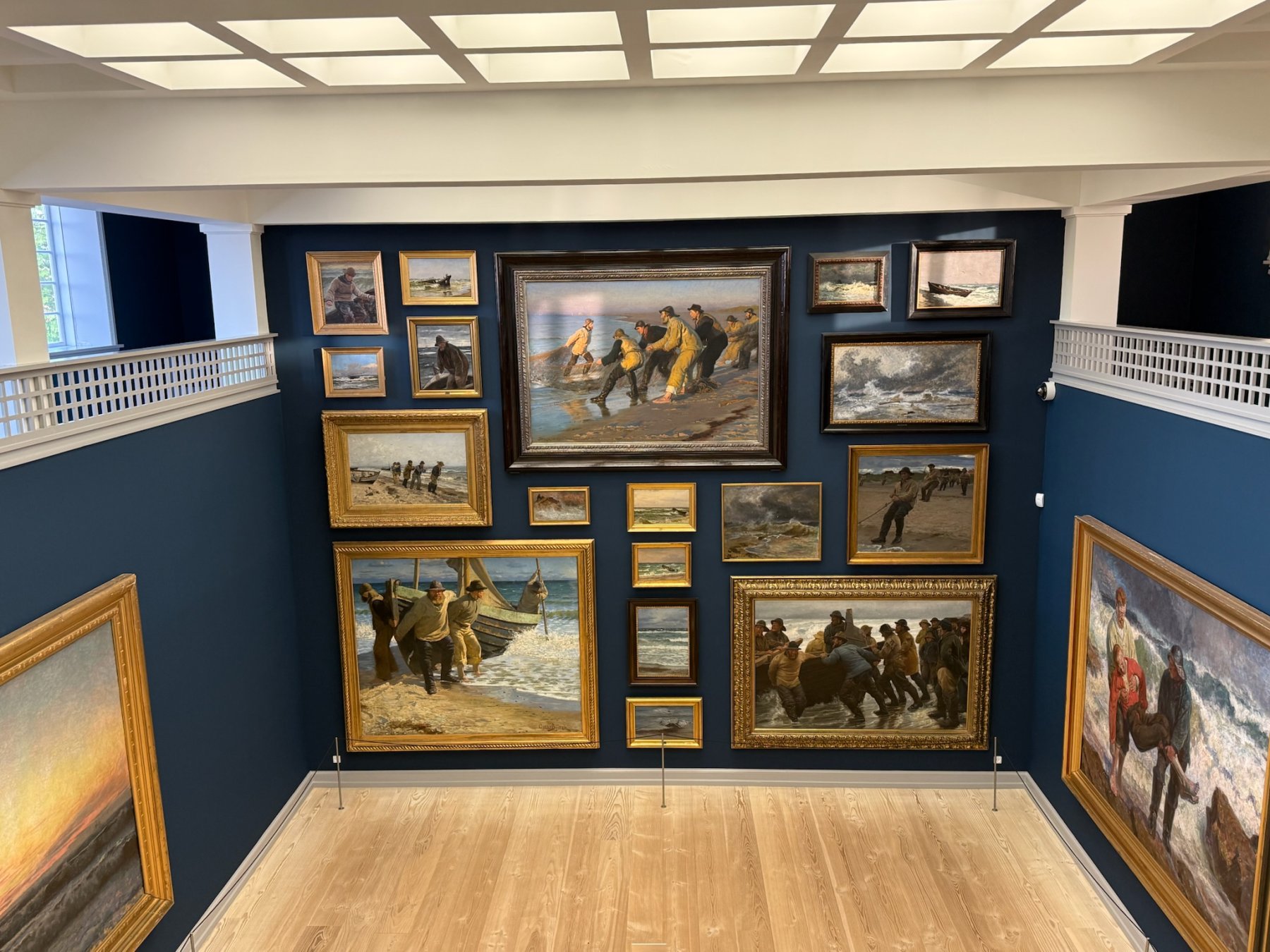
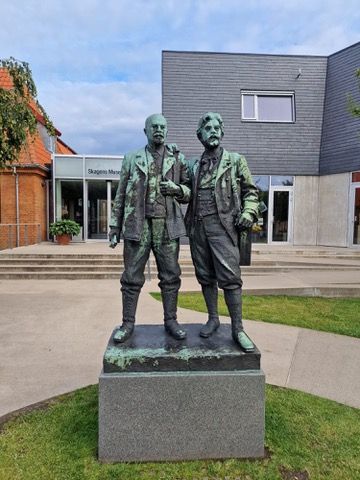
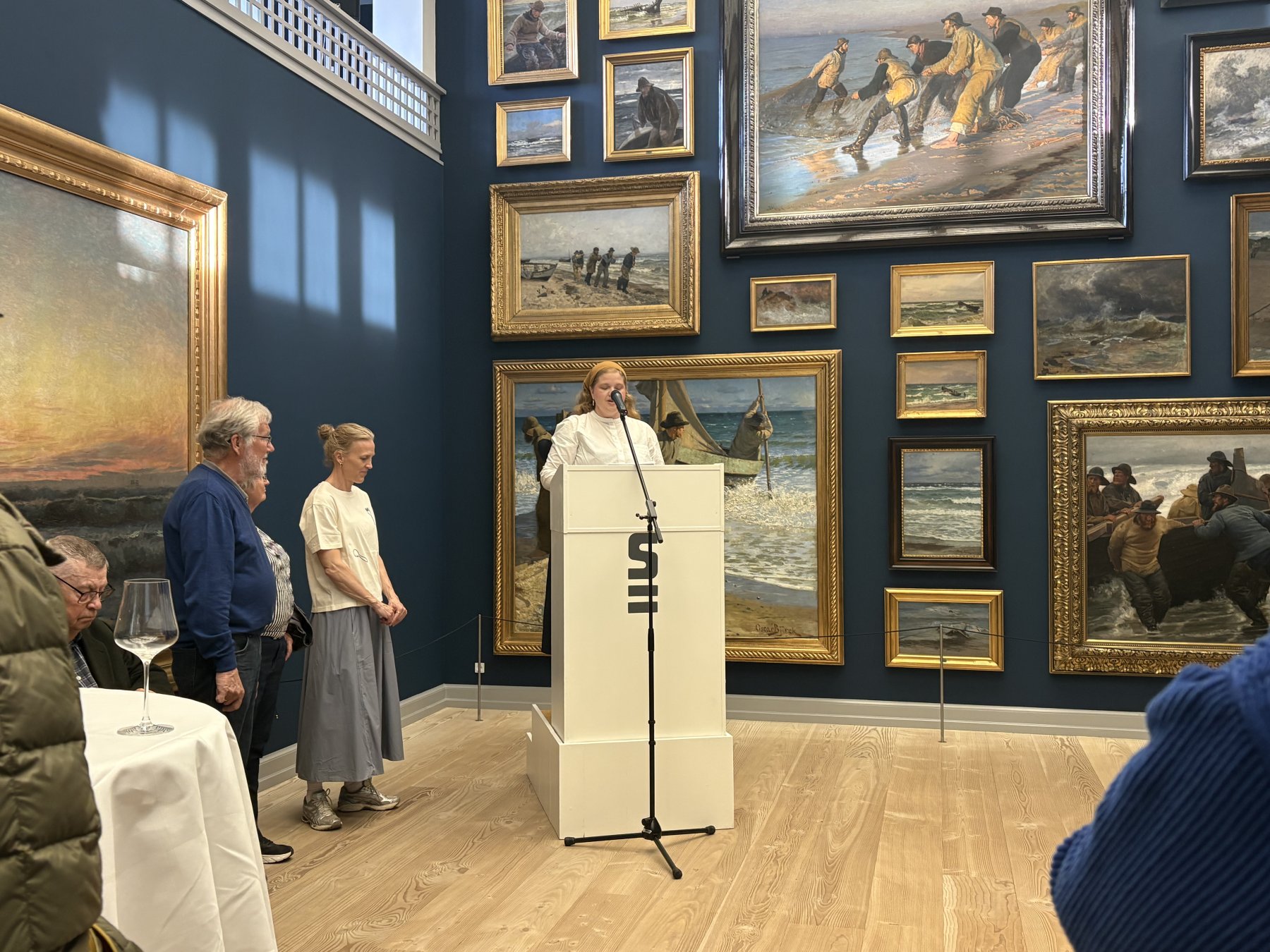
And that's exactly what I was thinking about on Friday evening when we visited the opening of the new exhibition "Tak for mad" at Skagens Museum.
Not just because of the art. Not just because of the wonderful atmosphere. But because of a very thoughtful moment in between.
At some point, I noticed that the conversation with my dear friend Gitte had become effortless. That I was no longer straining to find words. That sentences simply flowed. That I could laugh, listen, and share stories without any inner pressure.
The whole evening felt different than before. Lighter. More natural. You suddenly understand almost everything. And what you don't understand becomes clear from the context. Without stress. Without that constant feeling of falling behind.
Maybe that was exactly my real "Tak for mad" moment yesterday. This pleasant feeling of not just living in Denmark anymore, but slowly truly arriving here.
But let me tell you about the exhibition: Even the title of the new exhibition sparks curiosity: "Tak for mad" — Thank you for the meal. What awaited us, however, was much more than an exhibition about meals. It was a journey into the atmosphere of the Skagen painters, into their community, their joy of life, and their love for simple, beautiful things.
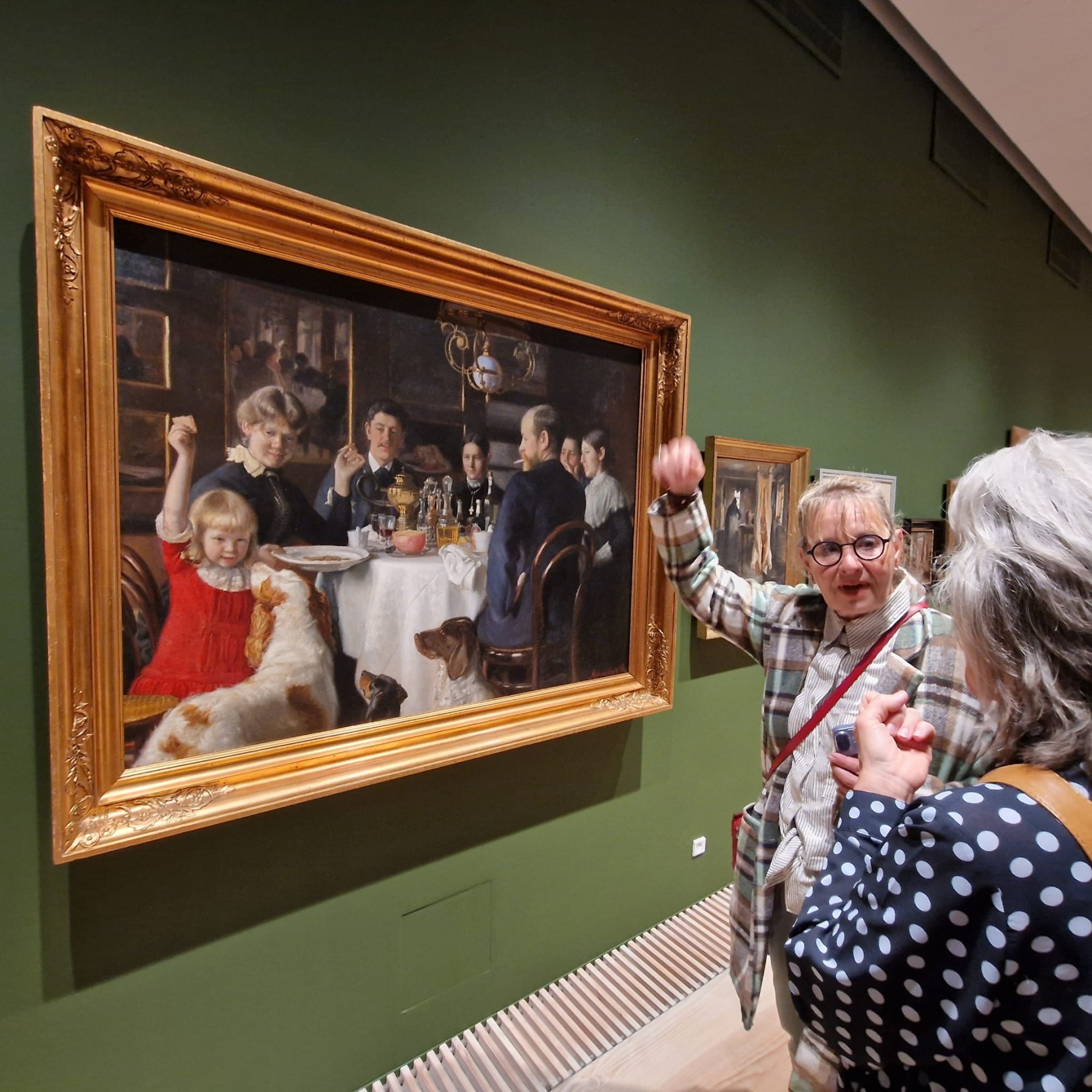
Already during the first walk through, you notice how sensual many of the works are. Apples with soft, warm colors. Fresh fish. Vegetables. Bread. Still lifes that almost smell. You stand before them and suddenly have the feeling of not just looking at paintings, but at a set table from another time.
It was particularly lovely that the museum didn't just show paintings, but also dishes, glasses, bowls, and cutlery from that era. This created an almost feeling of getting a little closer to the artists. You could imagine how they ate, discussed, laughed, and lived together here.
The museum director opened the evening with a warm speech, but the one who gave the whole thing a very special atmosphere was Anne Mørk. With her warm and lively manner, she didn't simply talk about art. No, she took us into the stories behind it. Suddenly you weren't sitting in an exhibition anymore, but right in the middle of the world of the Skagen painters.
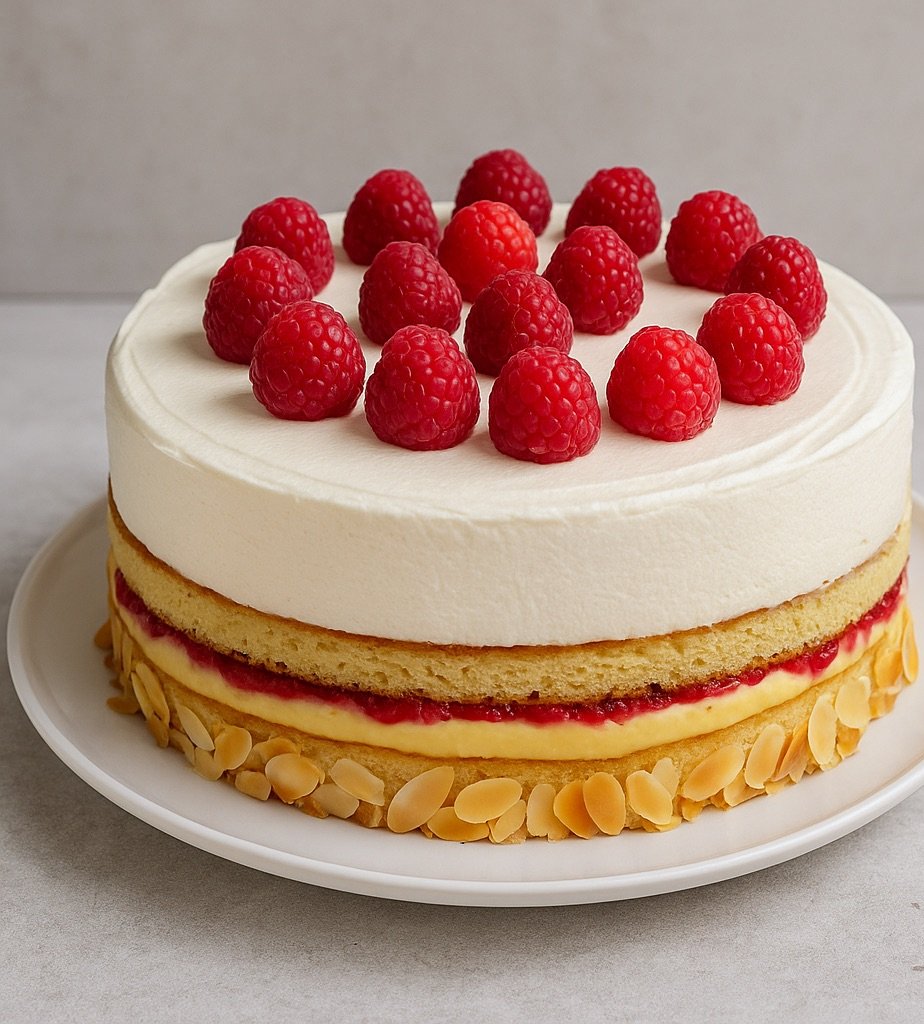
Of course, the sense of taste couldn't be left out. A wonderful apple cider was served, which perfectly matched the theme of the evening and could have come from Michael Ancher's own press. Along with small breads topped with a mackerel paste that surprised us with a subtle Asian freshness. Regional, modern, and thoughtfully put together.
And as so often, it's not just art and food that make an evening special, but the people you experience it with. Walking through the exhibition rooms with our Danish friends Gitte and Carsten, as well as my German friend and colleague Danni and her husband Sven, meeting familiar faces and connecting, made the evening even more beautiful.
Maybe that's exactly the most beautiful message of this exhibition: that eating together always means community. And so we too say from the heart: Tak for mad. Thank you for the invitation, the hospitality, and for an evening that connected art, culinary delights, and community in such a special way.